The Era
Flagstaff in 1937
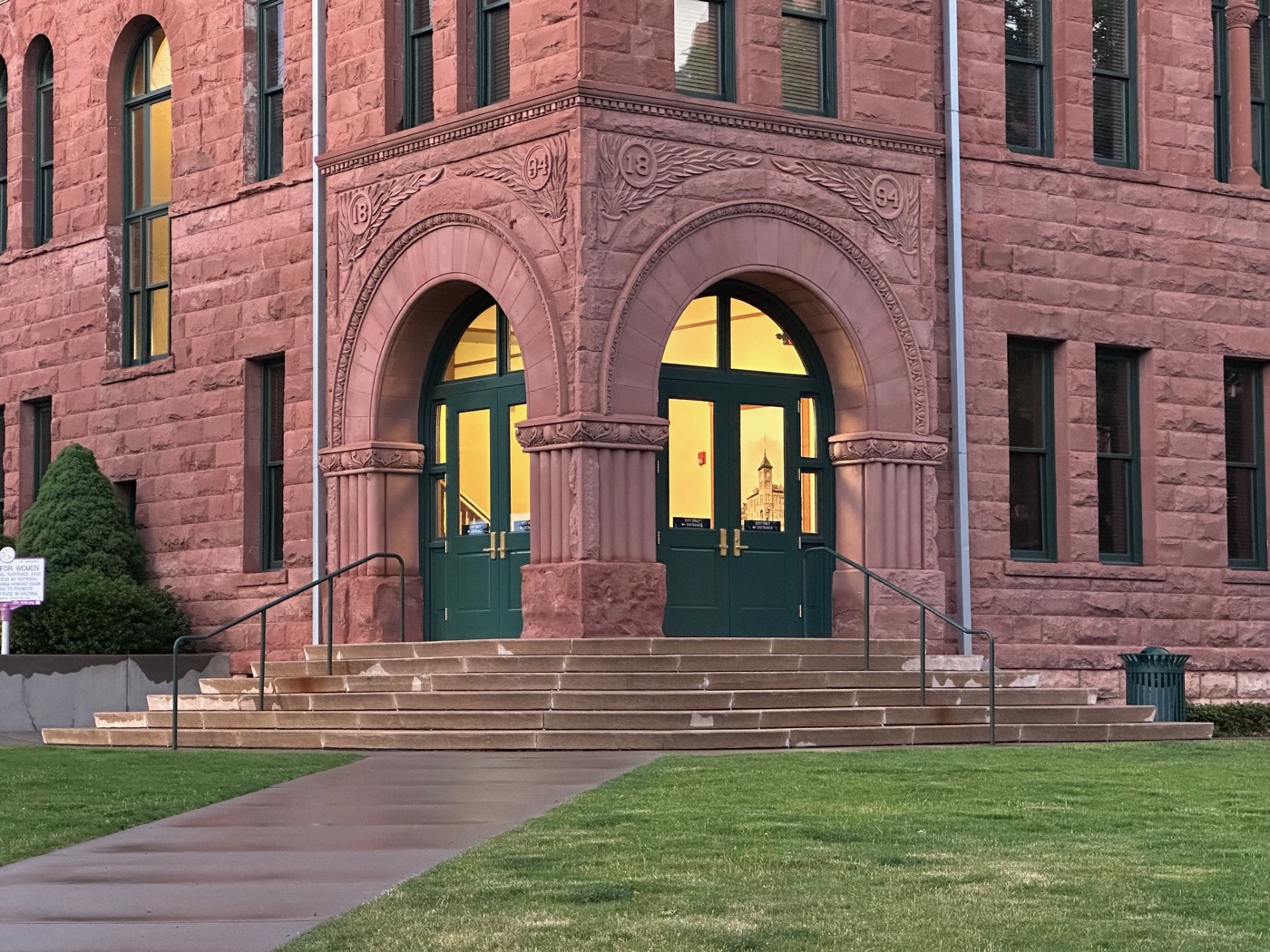
The Flagstaff of 1937 was a lumber and railroad town of a few thousand people, catching its breath after the Depression. Route 66 ran through its downtown, the Monte Vista and Weatherford hotels anchored its social calendar, and its civic life was small enough that everyone knew the men on the county board by their first names.
That smallness is what made July 1937 so shattering. This was not an anonymous city tragedy; it happened to one of the most visible families in town, in a neighborhood where the houses knew each other. The Coconino Sun and the Arizona Republic wrote it down in the plain, unflinching newspaper voice of the era, and then the town, by something like collective agreement, went quiet about it for eighty years.
Understanding the case means understanding that town: its medicine, its expectations of mothers, its distances (a county chairman doing business a half day away in Phoenix), and its silences. That is the work the book does.
The book’s reviewers note how much town history it carries, and that is the point: the case only makes sense inside the Flagstaff that lived through it.
Cite this page
Chicago“Flagstaff in 1937.” Flagstaff’s Walkup Family Murders, the Book. https://walkupfamilymurders.com/flagstaff-1937.
APAFlagstaff’s Walkup Family Murders, the Book. (2026). Flagstaff in 1937. https://walkupfamilymurders.com/flagstaff-1937
Citing the book itself? Edition details and ISBNs are on the buy page.